

Applications
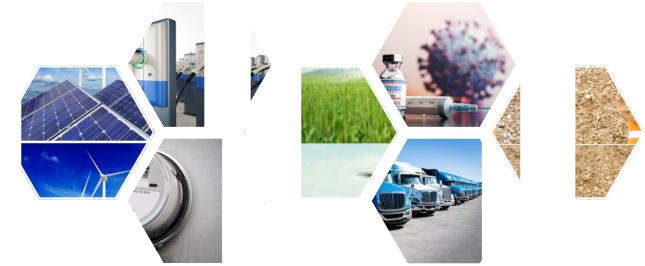
SKYDATA-IoT is a global cellular machine-to-machine (M2M) communication platform designed specifically for the Industrial Internet of Things (IIoT). Our platform includes a robust core network with multi-carrier support, SIM management, reporting, and billing capabilities tailored to meet our customers’ needs. We cater to a diverse range of industries, including, but not limited to, smart cities, electric vehicle (EV) charging, healthcare, smart metering, and renewable energy.
Life Sciences
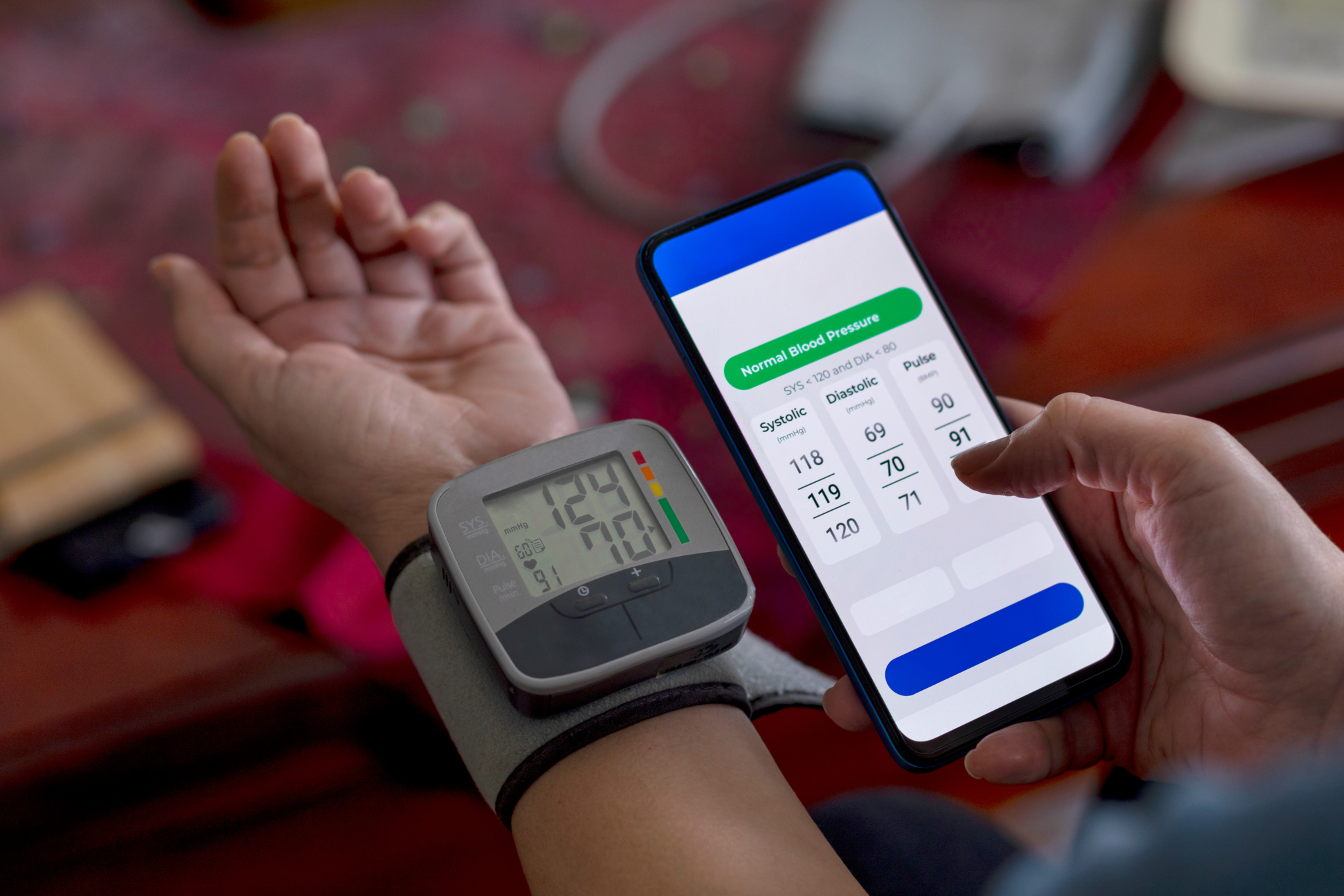
Cellular connectivity in digital healthcare enables real-time patient monitoring and seamless data transfer due to its uninterrupted range of coverage. With access to over 700 networks across more than 200 countries, reaching even the most remote areas, healthcare providers and researchers can count on maintaining the integrity of their data through their connected devices with SKYDATA-IoT cellular connectivity.
Decentralized clinical trials (DCTS) take place outside of traditional trial sites, which are more accessible and convenient for participants. These trials are often in remote areas worldwide where infrastructure for continuous connectivity is minimal or nonexistent. In these scenarios, cellular connectivity is essential for real-time data transmission because of its wide-area coverage, reliability, security and scalability.
IoT devices can collect and transmit real-time patient data outside healthcare facilities. This enables healthcare providers to monitor and manage patients remotely, allowing for earlier interventions and reducing hospital readmissions. The integration of cellular connectivity improves patient monitoring by addressing the limitations of Bluetooth and WiFi. Cellular networks provide wide-area coverage, consistent and stable connections, carrier-grade encryption for enhanced data security, and can support large-scale deployments without requiring additional infrastructure. They can also simplify the operation of wearables for patients.
IoT devices can automate various healthcare processes, such as inventory management, asset tracking, and preventive maintenance. This automation enhances operational efficiency and reduces costs. Cellular connectivity can support IoT healthcare operations by providing more extensive coverage and reliability, enabling real-time data transmission and communication in areas where Wi-Fi or Bluetooth may be insufficient.
IoT devices can track and monitor a patient’s vital signs, medication adherence, and environmental conditions impacting health. Cellular connectivity enhances IoT healthcare operations by ensuring real-time data transmission, which improves patient safety through timely alerts and prompt responses to critical health changes.
IoT devices generate vast amounts of data that can be analyzed to gain insights into population health trends, disease surveillance, and early warnings of potential outbreaks. This information can facilitate more proactive and personalized healthcare interventions. Cellular for IoT can enhance existing connectivity by providing reliable and widespread network coverage, which supports real-time data transmission from devices. This will ultimately improve predictive analysis and enable more timely interventions.
IoT enables virtual consultations and remote healthcare services by connecting patients, doctors, and medical devices. This improves access to healthcare, especially for patients in rural or underserved areas. Cellular connectivity enhances the stability and integrity of connections for telehealth services by providing a more reliable and consistent internet connection than Bluetooth or Wi-Fi. Unlike localized wireless networks, which can be subject to interference and limited range, cellular networks offer broader coverage and seamless connectivity. This reliability is crucial for real-time consultations and remote monitoring, ensuring that patients and healthcare providers can communicate without interruptions, even in areas with limited infrastructure.
IoT-powered wearable devices, such as fitness trackers or smartwatches, can collect real-time health data, encourage healthy behaviors, and enable early detection of health issues. This promotes preventive care and empowers individuals to take control of their health. Utilizing cellular connectivity in smart wearables ensures there are no gaps in collecting real-time data, especially when Bluetooth or Wi-Fi isn’t available, allowing for continuous monitoring and timely health insights.
IoT devices can optimize energy consumption in healthcare facilities, monitor equipment utilization, and optimize workflow management. This leads to cost savings and increased sustainability.
EV charging
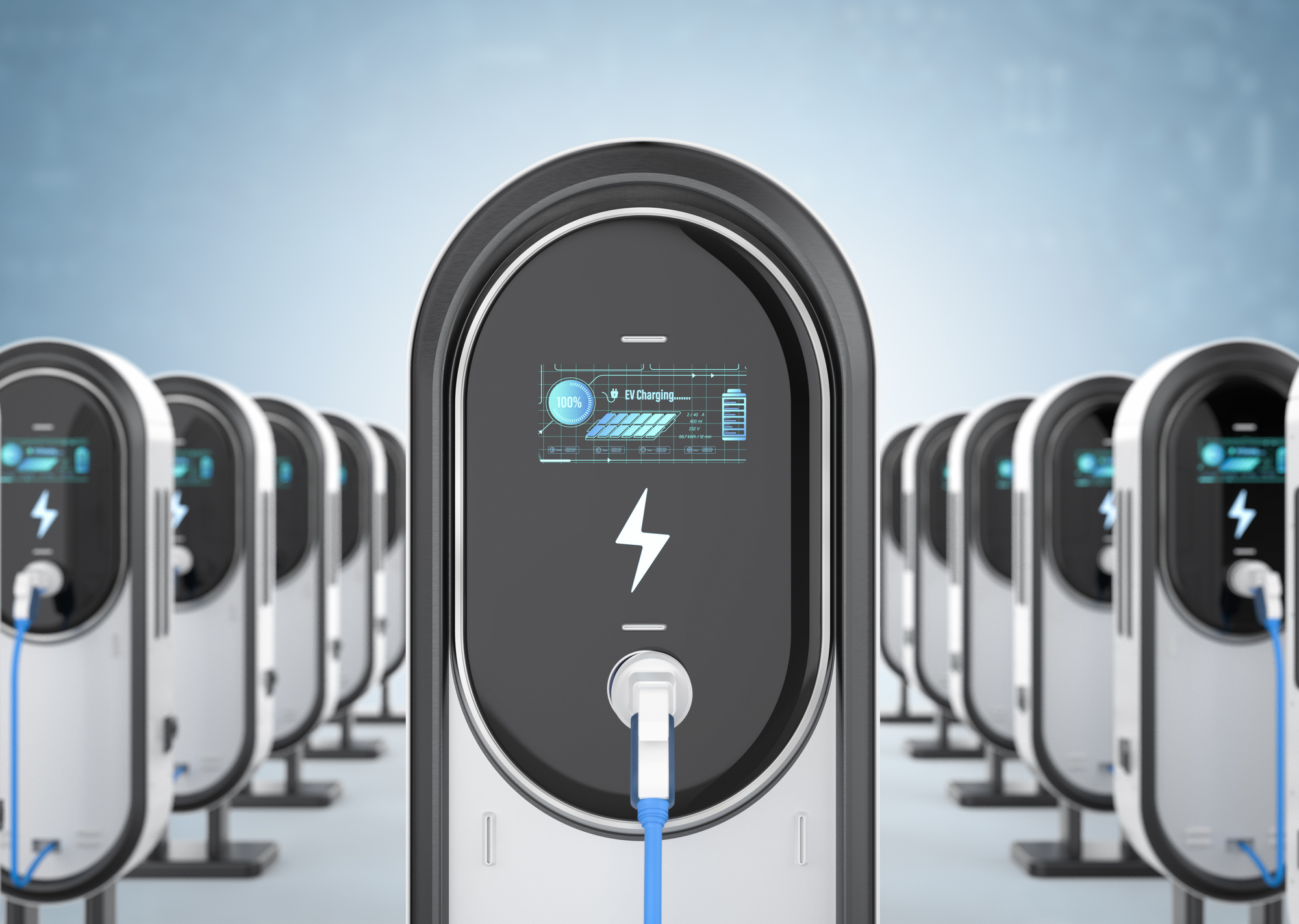
SKYDATA-IoT multi-carrier cellular connectivity for IoT enables real-time monitoring and management of EV charging stations, remote billing and payment management, smart grid integration, and over-the-air updates for station software, which are essential for efficient and reliable EV charging infrastructure.
IoT allows for remote monitoring and management of charging stations. Charger status, availability, and performance can be monitored in real-time, allowing operators to address issues promptly and ensure efficient operation. SKYDATA-IoT Multi-carrier cellular connectivity is crucial in enhancing the remote monitoring and management of charging stations compared with single-carrier coverage because our reliable and broad network access ensures that charger status, availability, and performance data can be transmitted seamlessly in real-time, even in areas where single-carrier coverage is limited. This connectivity allows for prompt issue resolution and helps operators optimize the performance and efficiency of charging stations across various locations.
IoT enables intelligent charging algorithms that optimize charging based on factors such as electricity demand, grid capacity, and user preferences. This ensures efficient energy utilization, reduces peak loads, and helps balance the grid. SKYDATA-IoT multi-carrier cellular connectivity enhances IoT applications by improving reliability, increasing data capacity, and reducing latency, all of which are essential for optimizing intelligent charging algorithms. This connectivity allows IoT devices to switch between networks seamlessly, ensuring constant communication for real-time data analysis on electricity demand and grid conditions, while also extending coverage to remote areas. As a result, it leads to more efficient energy utilization and better grid balancing.
IoT enables seamless payment and billing systems for EV charging. Users can pay through smartphones or RFID cards, while operators can accurately track energy consumption and generate detailed billing reports. SKYDATA-IoT multi-carrier cellular connectivity enhances the point of sale for EV charging stations by ensuring robust and reliable communication, even in areas with poor signal coverage. This technology allows charging stations to connect to multiple cellular networks simultaneously, improving transaction speed and reducing downtime. As a result, users can easily complete payments through various methods, such as mobile apps or RFID cards, while operators gain real-time access to data for better management and customer service.
EV charging stations benefit from network advantages like reliable communication, real-time data exchange, and remote management, all of which enhance operational efficiency. Cellular networks provide a suitable fail-back option by offering redundancy, broad coverage, cost-effective deployment, and flexibility, ensuring that charging stations remain operational even if primary internet connections fail. This combination improves reliability and scalability, accommodating the growing demand for electric vehicle infrastructure.
Renewable energy
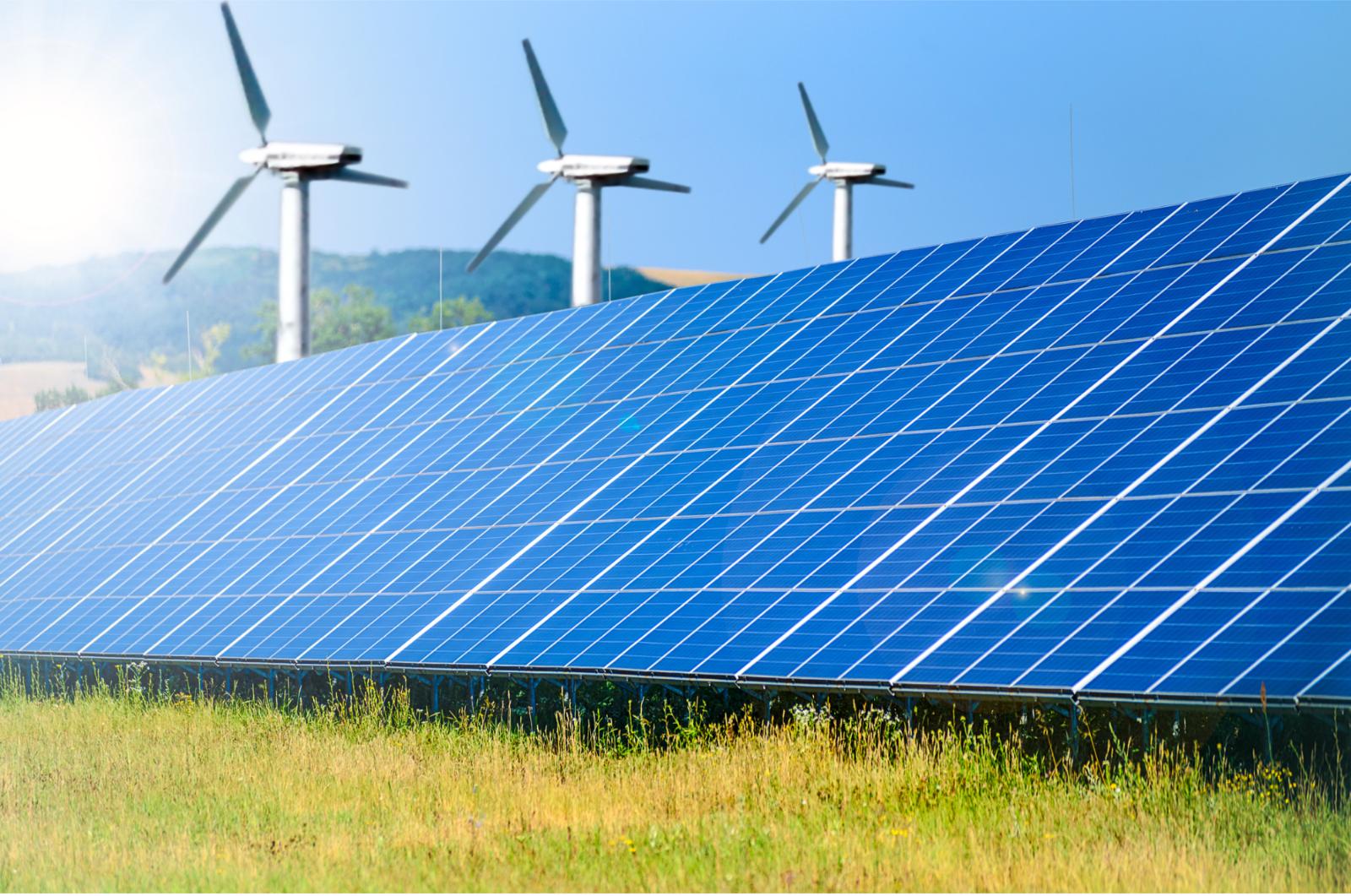
Harnessing clean energy requires precise, real-time data to balance supply and demand. Our global IoT connectivity provides the resilient link needed to monitor and manage distributed energy resources, mitigating the risk of site isolation and enabling a seamless flow of performance metrics. By utilizing multi-network redundancy, we help ensure that solar farms, wind turbines, and battery storage systems stay connected to the grid and your management platform. systems stay connected, adaptive, and ready to maximize sustainability.
Manage large-scale utility projects with high-reliability links. Our solution handles the environmental challenges of outdoor deployments, ensuring that every panel and turbine transmits health and output data regardless of the weather or terrain.
Oversee the critical “middle man” of the renewable grid. Reliable connectivity enables precise monitoring of state of charge and thermal safety, ensuring stored energy is dispatched efficiently and safely when the grid needs it most.
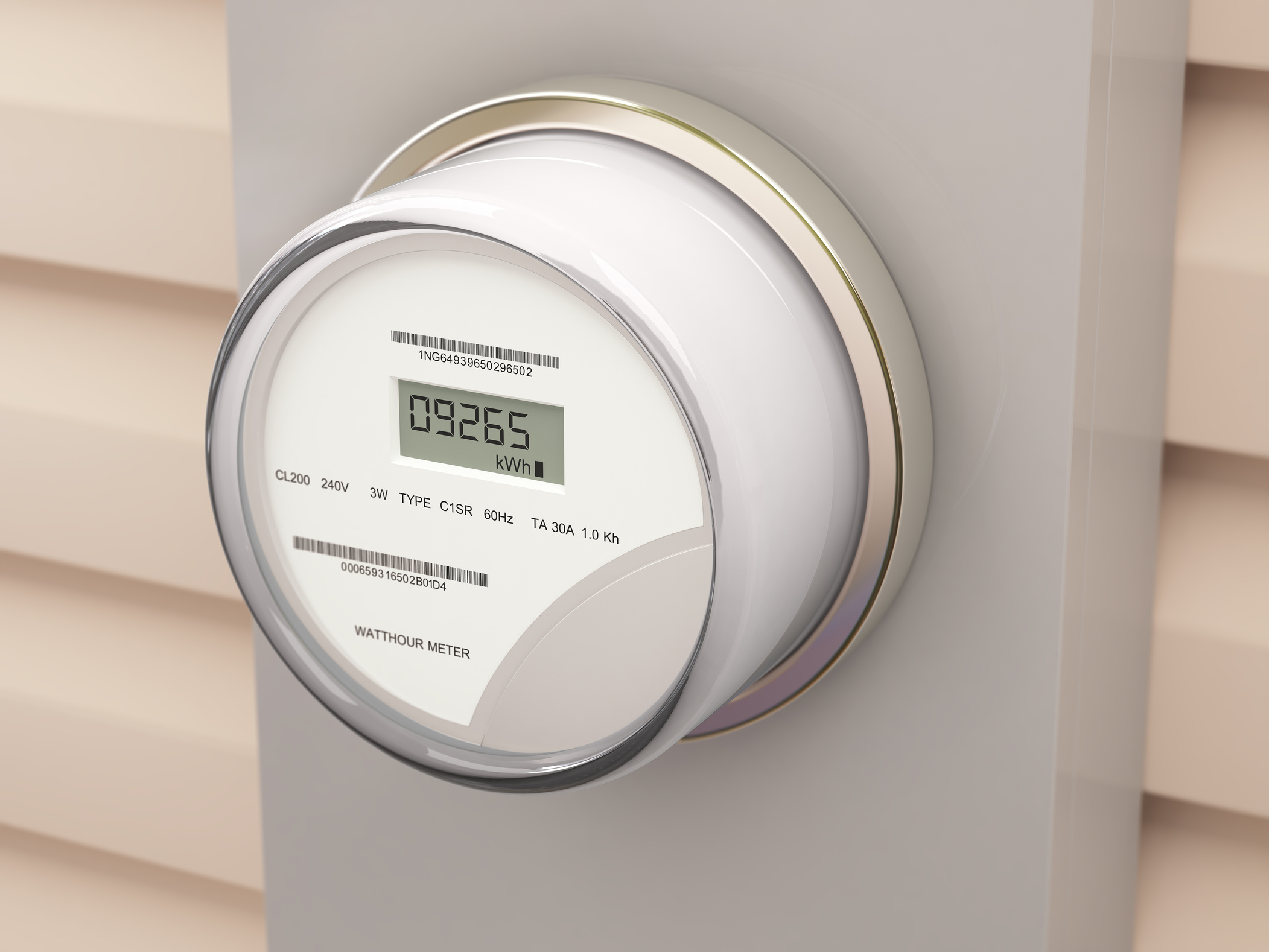
Smart metering
Smart metering is essential for modernizing energy management and critical infrastructure. Our global IoT connectivity provides the resilient communication backbone required for automated data collection, mitigating the risks of manual errors and connectivity gaps in hard-to-reach locations. By leveraging multi-carrier redundancy, we help utilities maintain a consistent flow of real-time consumption data for accurate billing and optimized grid management.
Streamline energy, gas, and water management for urban and suburban environments. Our connectivity supports high-density deployments, enabling thousands of endpoints to transmit usage data simultaneously.
Extend your reach to assets in geographically isolated or underserved regions. With global roaming and non-terrestrial network (NTN) readiness, we provide a stable connection for meters where traditional local infrastructure is unavailable or unreliable.
Turn simple consumption data into actionable intelligence. Constant, low-latency connectivity allows for real-time monitoring of pressure drops or unusual spikes, enabling utility providers to detect leaks or equipment failures early and reduce operational waste.
Fleet management
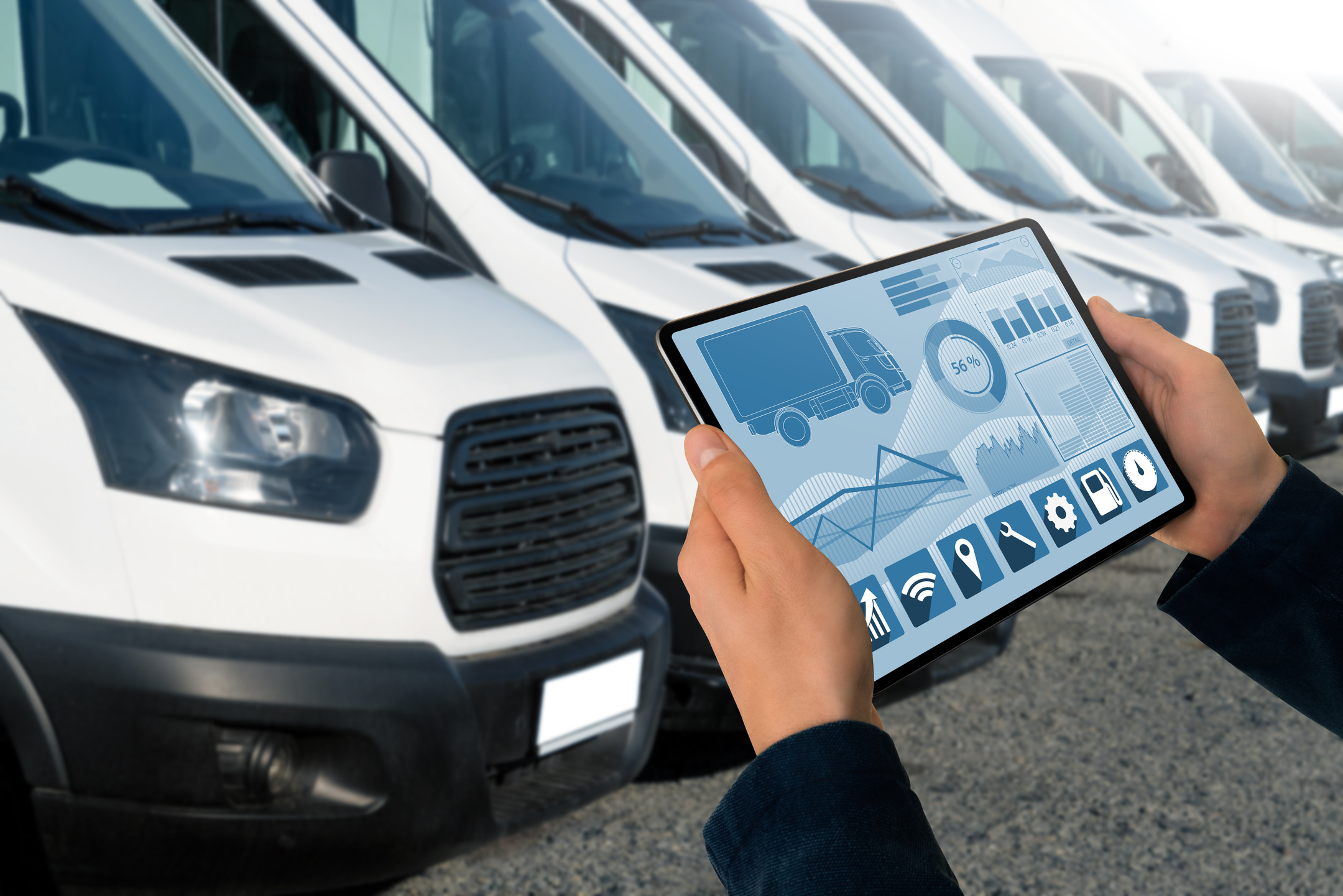
- IoT-enabled fleet management transforms logistics by delivering real-time tracking, predictive maintenance, and optimized route planning. These intelligent systems enhance efficiency, reduce costs, and improve safety through continuous data insights. SKYDATA-IoT’s multi-carrier cellular coverage ensures seamless connectivity, keeping fleet operations running smoothly, even in remote locations. By maintaining strong, uninterrupted communication, SKYDATA-IoT empowers fleets to make data-driven decisions, maximize uptime, and enhance overall performance.
IoT enables real-time tracking and monitoring of vehicles, goods, and assets. This allows companies to effectively manage their fleet, optimize routes, reduce fuel consumption, and improve delivery accuracy.
IoT sensors in vehicles collect and transmit data on the health and performance of various components. This enables predictive maintenance, preventing breakdowns and reducing downtime. Telematics systems also provide valuable insights into driver behaviour, allowing for safer and more efficient operations.
IoT can be used to collect data from various sensors and devices placed on roads, bridges, and vehicles, allowing for dynamic traffic management. This includes adjusting traffic light cycles, rerouting vehicles based on congestion, and improving overall traffic flow.
Smart Cities
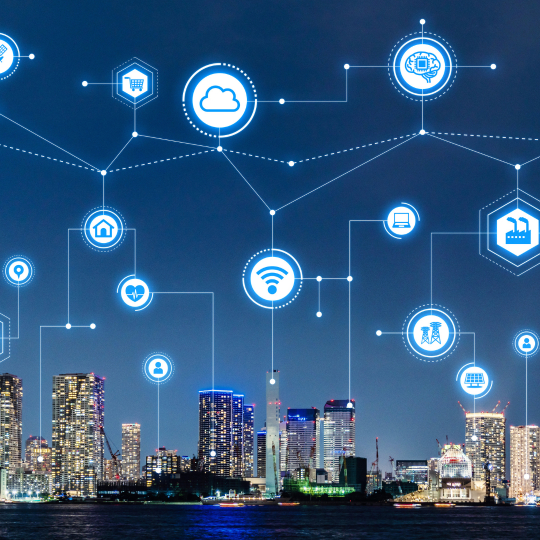
Smart traffic management, intelligent lighting, and automated waste disposal enhance urban efficiency.
AI-driven surveillance, emergency response systems, and predictive analytics help prevent crime and manage disasters.
Smart grids optimize energy distribution, reducing waste and promoting renewable energy integration.
IoT-enabled traffic monitoring, autonomous vehicles, and smart public transport improve commuting experiences.
Air quality monitoring, water conservation, and green building initiatives contribute to sustainability.

Point-of-Sale
IoT-enabled point-of-sale (POS) devices revolutionize transactions by offering real-time payment processing, inventory tracking, and enhanced customer experiences. These smart systems improve efficiency, reduce downtime, and enable businesses to make data-driven decisions. SKYDATA-IoT’s multi-carrier cellular coverage ensures POS devices remain reliably connected, even in areas with fluctuating network signals. With uninterrupted connectivity, businesses can maintain seamless transactions, optimize operations, and deliver a superior retail experience.
Our global IoT connectivity transforms vending machines into high-performance, autonomous retail hubs. By prioritizing network redundancy and multi-carrier roaming, we help mitigate connectivity risks and enable a seamless “scan and pay” experience that reduces friction and supports consistent sales.
- Reliable Cashless Payments: Encrypted, low-latency connections enable instant transaction approvals for mobile wallets and credit cards.
- Global Out-of-the-Box: Deploy machines anywhere in the world with a single SIM that automatically connects to the strongest local network.
- Real-Time Fleet Oversight: Monitor inventory levels and machine health remotely to optimize restocking routes and reduce operational downtime.
Effective inventory management relies on timely, accurate data. Our global connectivity solutions bridge the gap between your physical stock and your management software, mitigating the risk of data gaps and enabling a more responsive supply chain. By utilizing robust IoT links, you can maintain visibility over your assets even in challenging environments.
- Real-Time Stock Visibility: Minimize “out-of-stock” scenarios and overstocking through consistent data transmission from warehouse sensors and handheld scanners.
- Asset Tracking & Logistics: Monitor the movement and condition of goods across borders with seamless roaming that keeps your items connected from transit to delivery.
- Automated Reordering: Enable systems to trigger restock alerts automatically based on live data, reducing manual errors and streamlining operations.
In the fast-moving world of digital signage, a lost connection means a blank screen and lost revenue. Our global IoT connectivity provides the stable backbone needed for dynamic content delivery, mitigating the risk of downtime and ensuring your displays stay synchronized. By leveraging multi-network redundancy, we help maintain a seamless visual experience for your audience.
- Remote Content Updates: Push high-bandwidth media and schedule changes to screens worldwide instantly without relying on localized Wi-Fi.
- Health Monitoring & Diagnostics: Minimize on-site maintenance visits with real-time alerts on display performance and hardware status.
- Synchronized Campaigns: Ensure brand consistency across global locations with unified connectivity that keeps every screen in the network aligned.
Agriculture
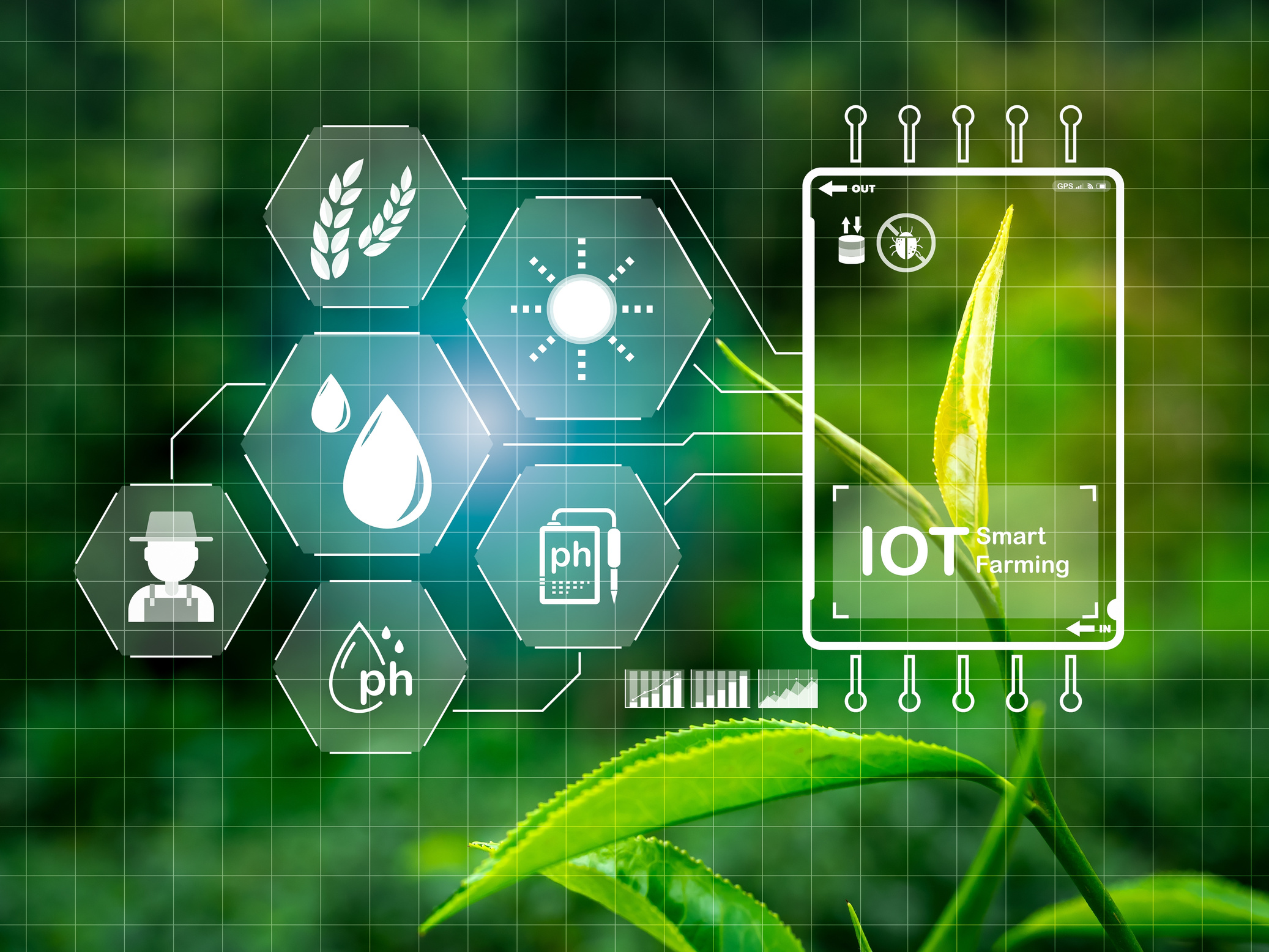
- Smart agriculture leverages IoT technology to enhance precision farming, optimize resource use, and improve crop yields. By enabling real-time monitoring of soil conditions, weather patterns, and equipment performance, IoT-driven solutions help farmers make data-informed decisions, reduce waste, and maximize productivity. SKYDATA-IoT’s multi-carrier cellular coverage ensures uninterrupted connectivity across vast farmlands, enabling seamless data transmission from IoT sensors and automation systems. With reliable communication, farmers can remotely manage operations, boost efficiency, and drive sustainable agricultural practices.
IoT devices can automatically control irrigation systems based on real-time data. This helps conserve water by only irrigating when necessary, resulting in significant water savings and reduced costs.
IoT sensors can monitor various factors such as soil moisture, temperature, humidity, and nutrient levels in real-time. This helps farmers to optimize irrigation, fertilization, and pest control, resulting in higher crop yields and reduced costs.
IoT devices can be used to track the health, behaviour, and location of livestock. This helps farmers to ensure their animals are in good health and detect any potential issues early on.
IoT sensors can control and monitor factors like temperature, humidity, lighting, and ventilation in greenhouses. This enables farmers to create optimal crop growing conditions, resulting in better crop quality and higher productivity.
IoT devices with cameras and imaging systems can monitor crops for signs of diseases, pests, and nutrient deficiencies. This allows farmers to take immediate action and minimize crop loss.
IoT can track and monitor the entire supply chain of agricultural products, from farm to the end consumer. This allows for better inventory management, quality control, and traceability.

Logistics and Shipping
IoT-enabled GPS and RFID tags allow logistics companies to track shipments in real time, ensuring better route optimization and security.
Automated inventory tracking using IoT sensors helps warehouses monitor stock levels, reducing manual errors and preventing shortages.
Smart shelves, RFID tags, and autonomous robots streamline warehouse operations, improving efficiency and reducing costs.
IoT sensors monitor temperature and humidity for perishable goods, ensuring compliance with storage requirements.
Air quality monitoring, water conservation, and green building initiatives contribute to sustainability.
Your unique deployment
At SKYDATA-IoT, we cater to a wide range of industries. No matter what application, our solutions are designed to meet your specific needs. Our connectivity is designed to work seamlessly with almost any application, hardware device or cellular gateway.
As part of your IoT ecosystem, we will provide reliable and secure connectivity and flexible and scalable data plans that meet your specific needs.

Expect Results with Data-Driven Decisions
lot for business unlocks efficiency and boost profits
- Operational efficiencies can reduce cost and significantly enhance overall business performance and sustainability in today's competitive market.
15%
- Savings in operational costs
30%
- Savings through predictive maintenance
30%
- Increase in production rates
95%
- Defect reduction
30%
- Increase in operational efficiency